



Kamari Basilica: A Historical Jewel Overlooking Kamari Bay
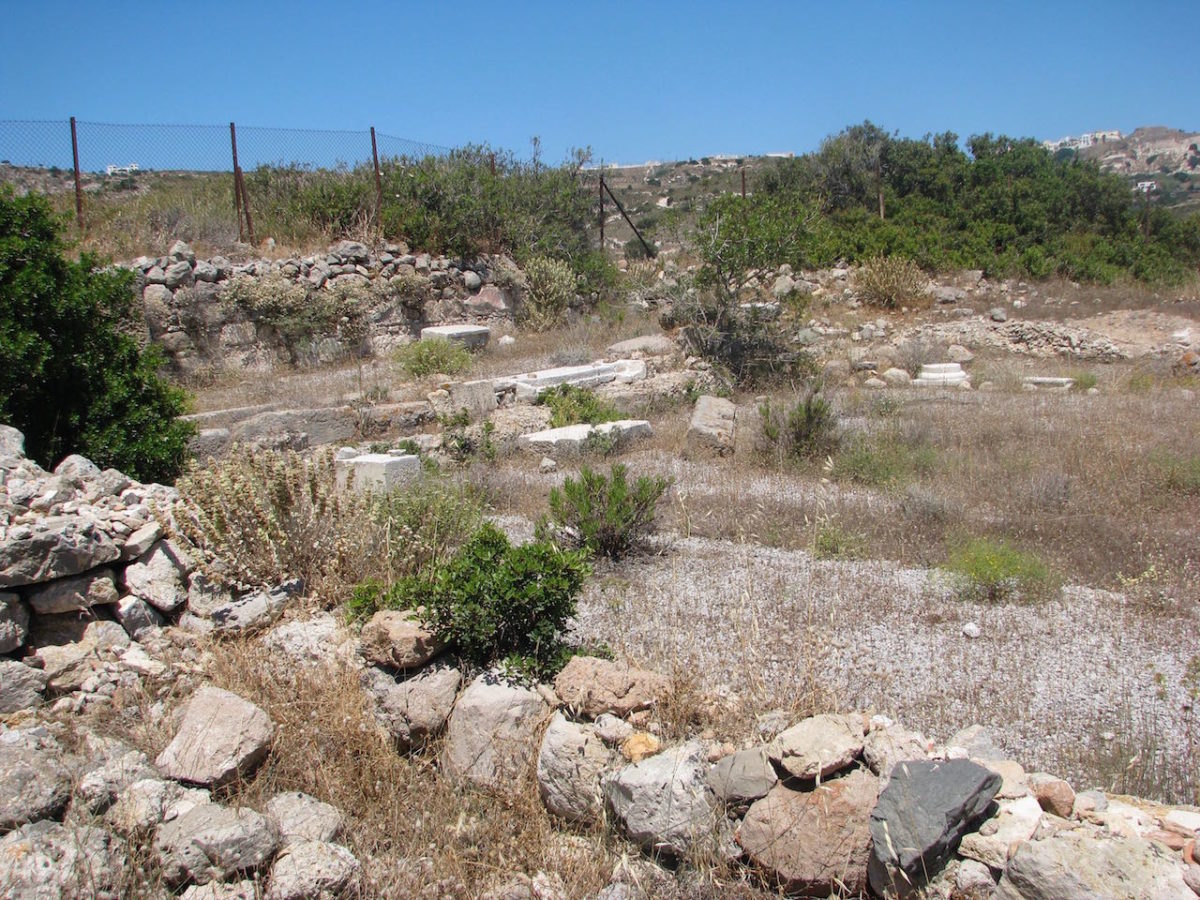
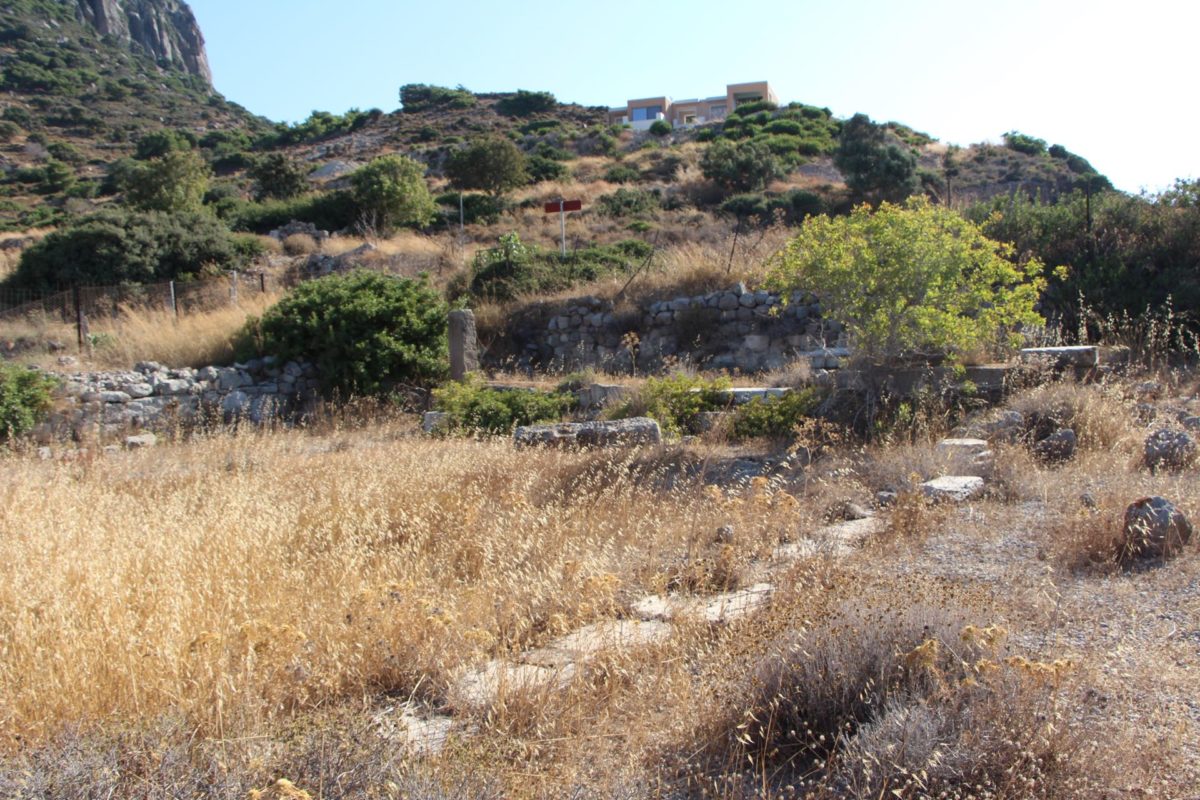
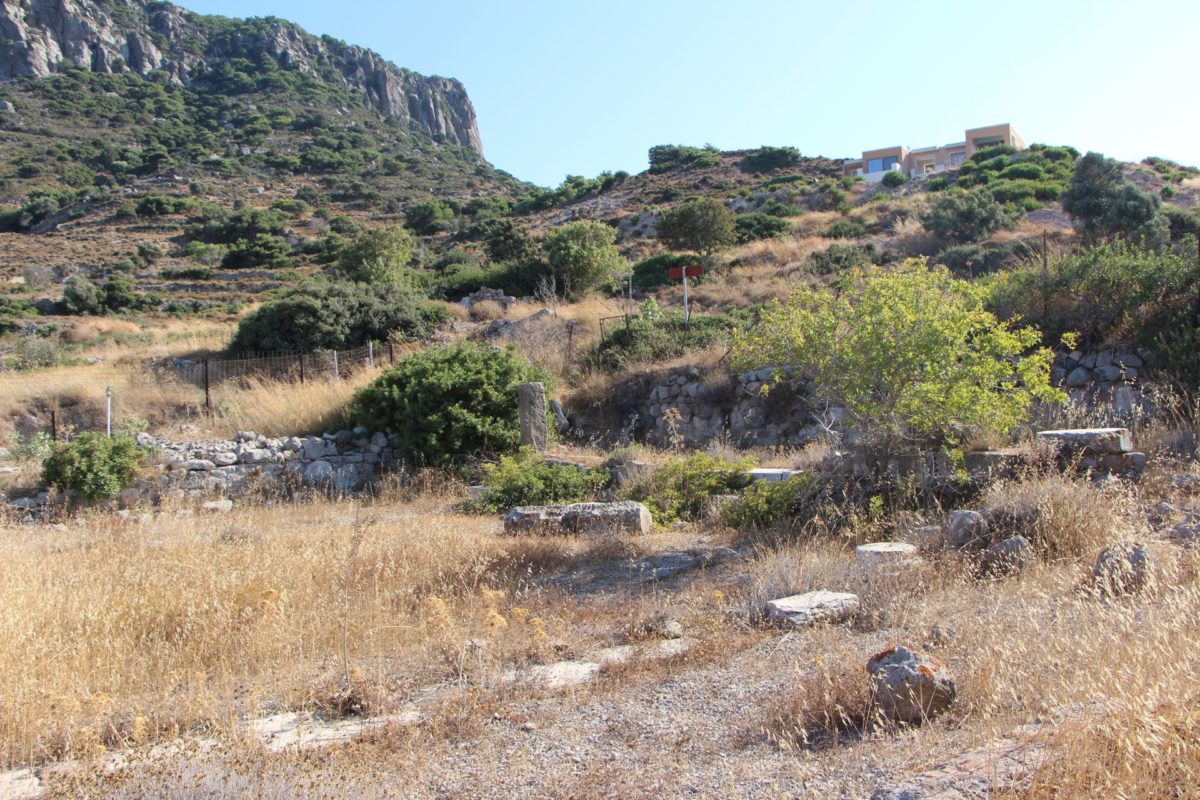
Nestled on the heights above the picturesque Kamari Bay on the island of Kos, the Kamari Basilica stands as a remarkable testament to early Christian architecture. Situated adjacent to the Church of Saint Paraskevi, this ancient site offers a fascinating glimpse into the island’s rich historical and cultural heritage.
Location and Access
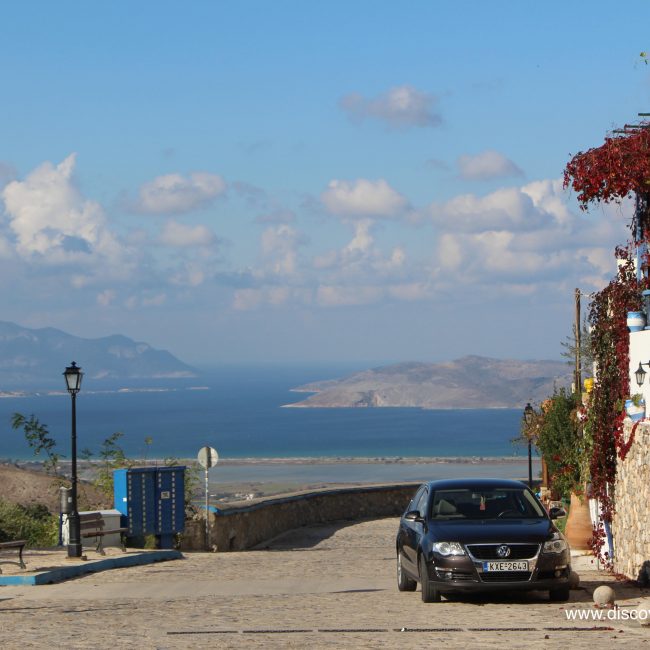
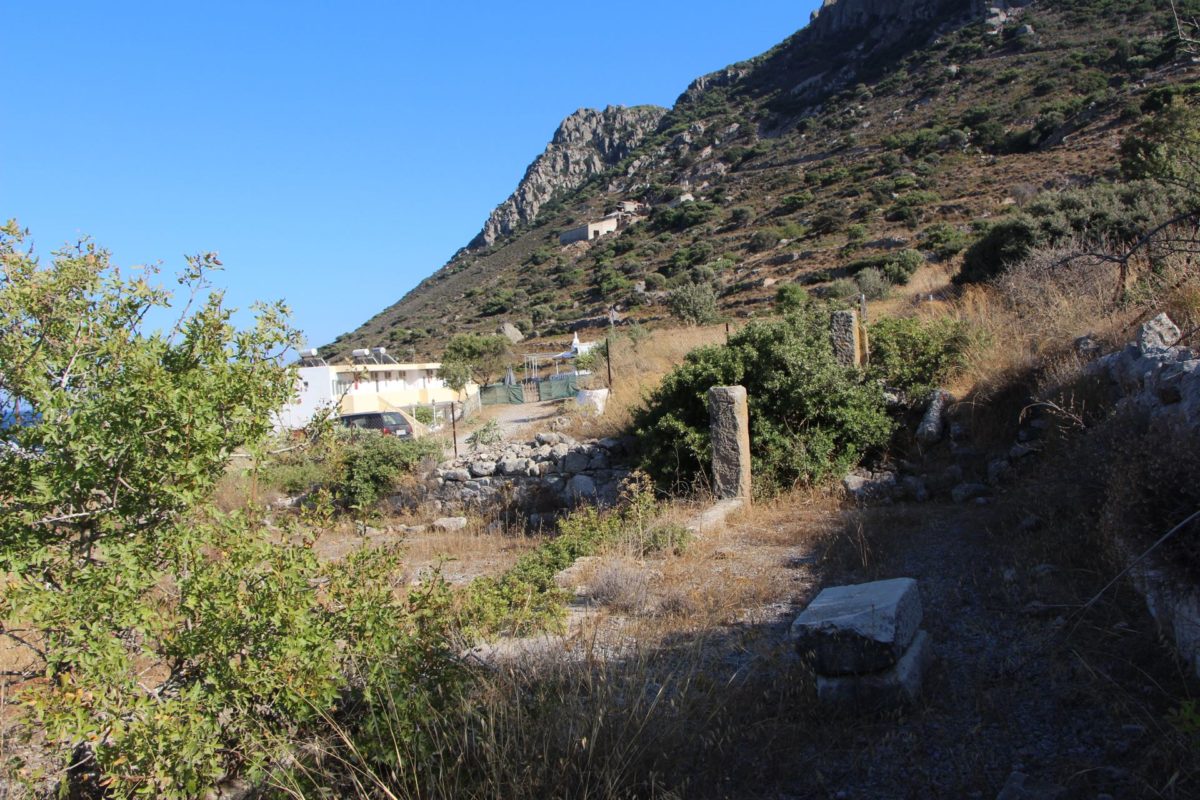
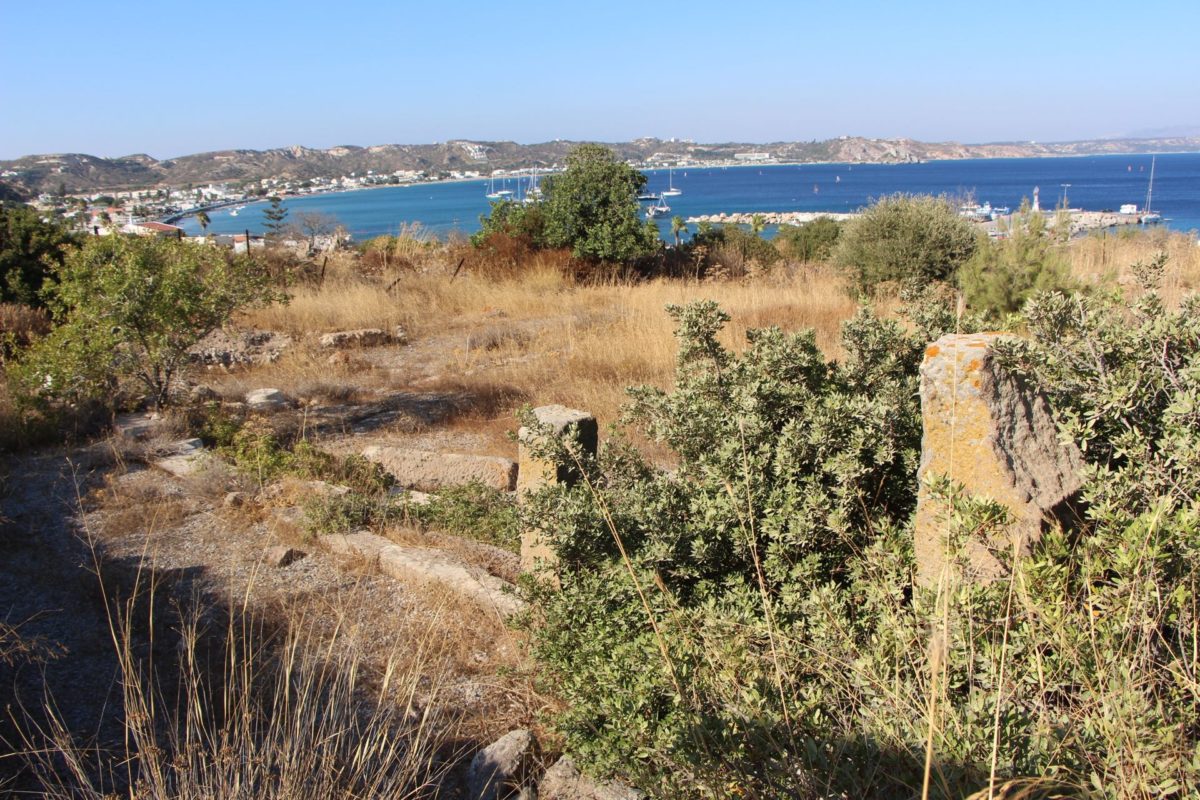
To reach the Kamari Basilica, follow the road leading up to the town of Kefalos. Once you are on this road, take the first left turn to ascend toward the basilica. The road will lead you up the hill, providing beautiful views of Kamari Bay as you approach. The location offers a panoramic perspective of the surrounding landscape, making the journey to the basilica both scenic and enjoyable.
Historical Significance
The Kamari Basilica was uncovered in 1935, revealing its significant historical value. The site where the basilica stands was once an active settlement during antiquity, reflecting the area’s long-standing importance as a center of civilization. The discovery of the basilica provided invaluable insights into early Christian architectural practices and the historical development of the region.
Architectural Features
The basilica is a prime example of early Christian architectural style, characterized by its simple yet elegant design. Key features of the Kamari Basilica include:
- Basilica Layout: The structure typically follows the traditional basilica plan, with a longitudinal layout that was common in early Christian churches. This design includes a central nave flanked by aisles and an apse at the eastern end.
- Mosaic Floors: One of the most striking elements of the basilica is its mosaic flooring. The intricate patterns and motifs offer a glimpse into the artistic sensibilities of the time. The mosaics often feature geometric designs, as well as more elaborate depictions of Christian symbols.
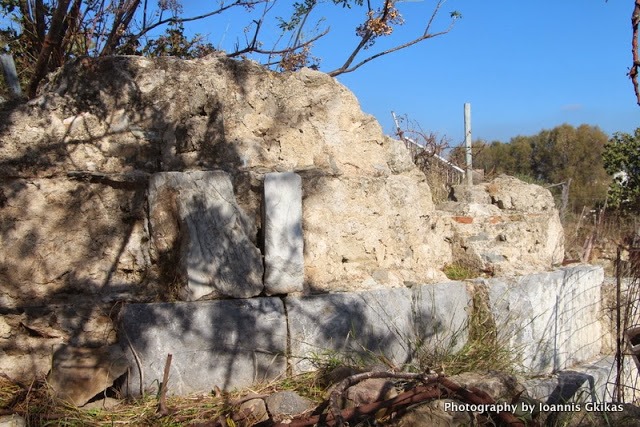
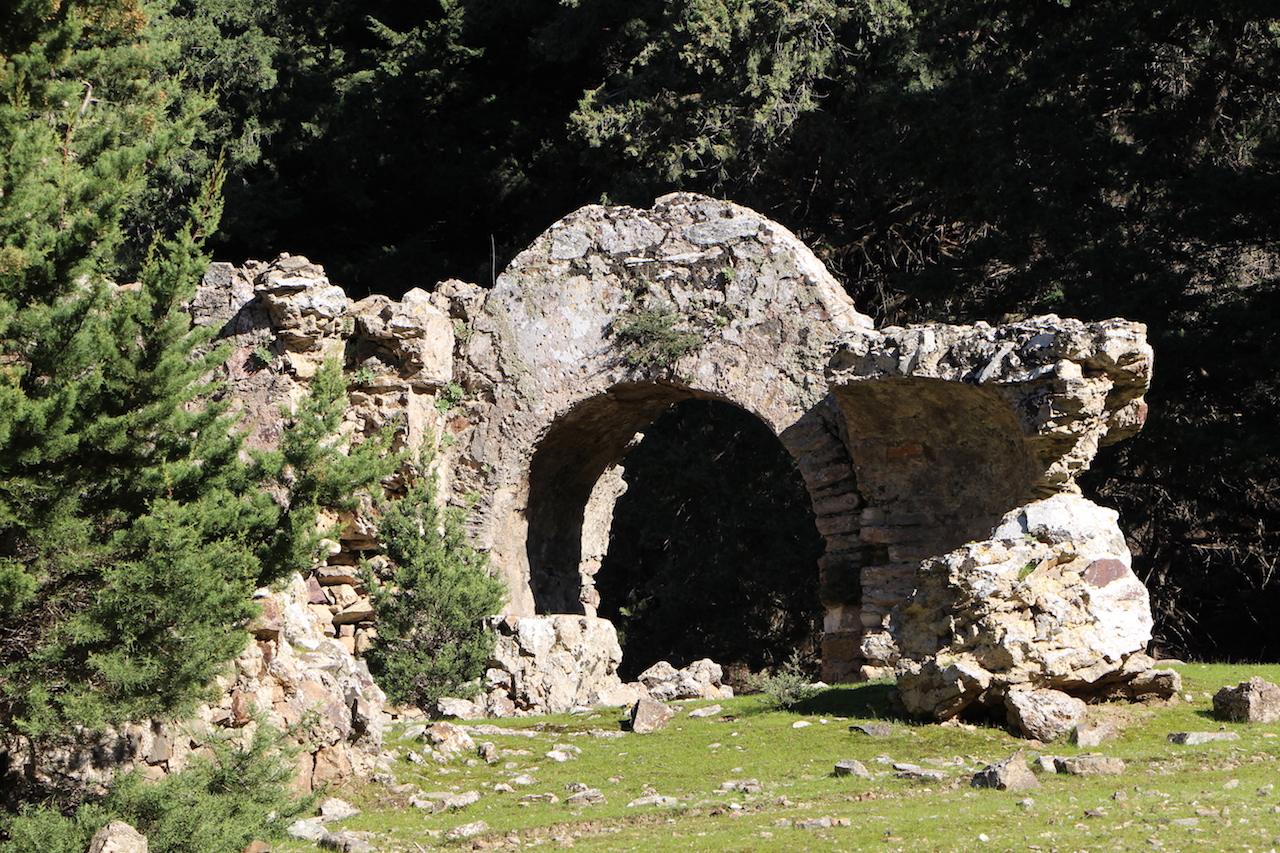
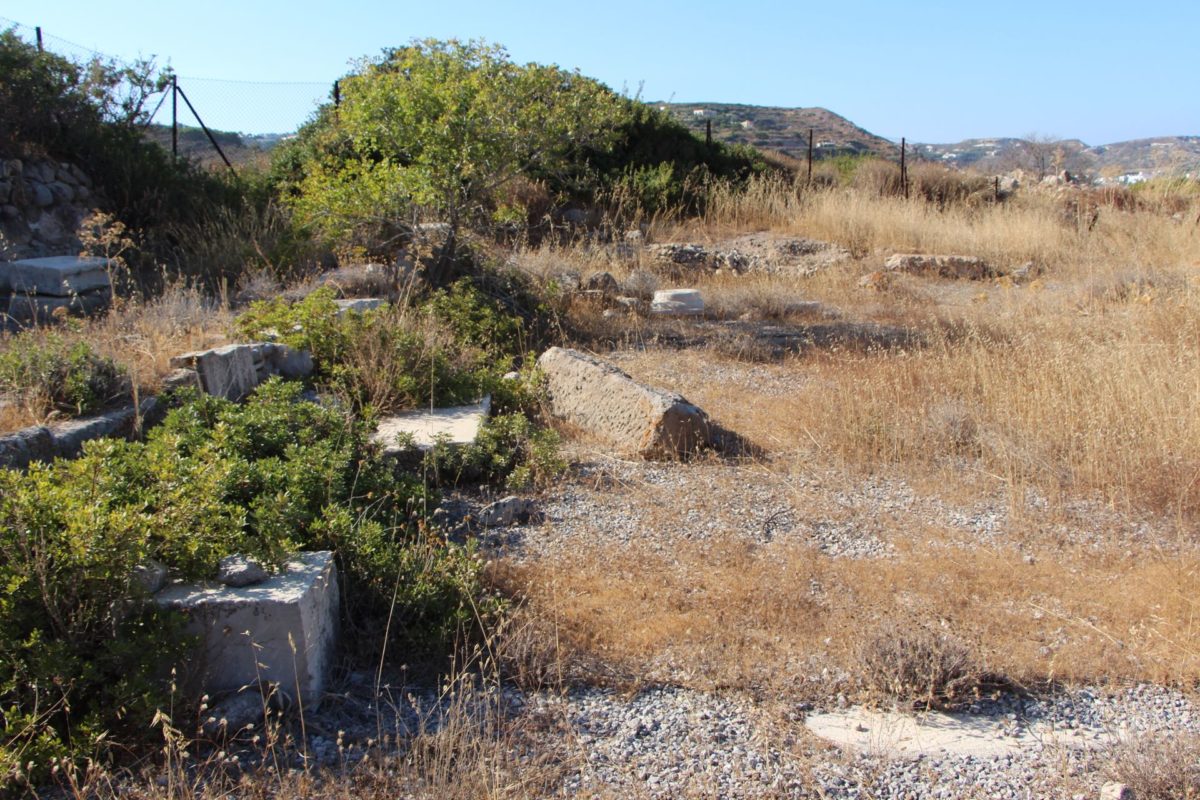
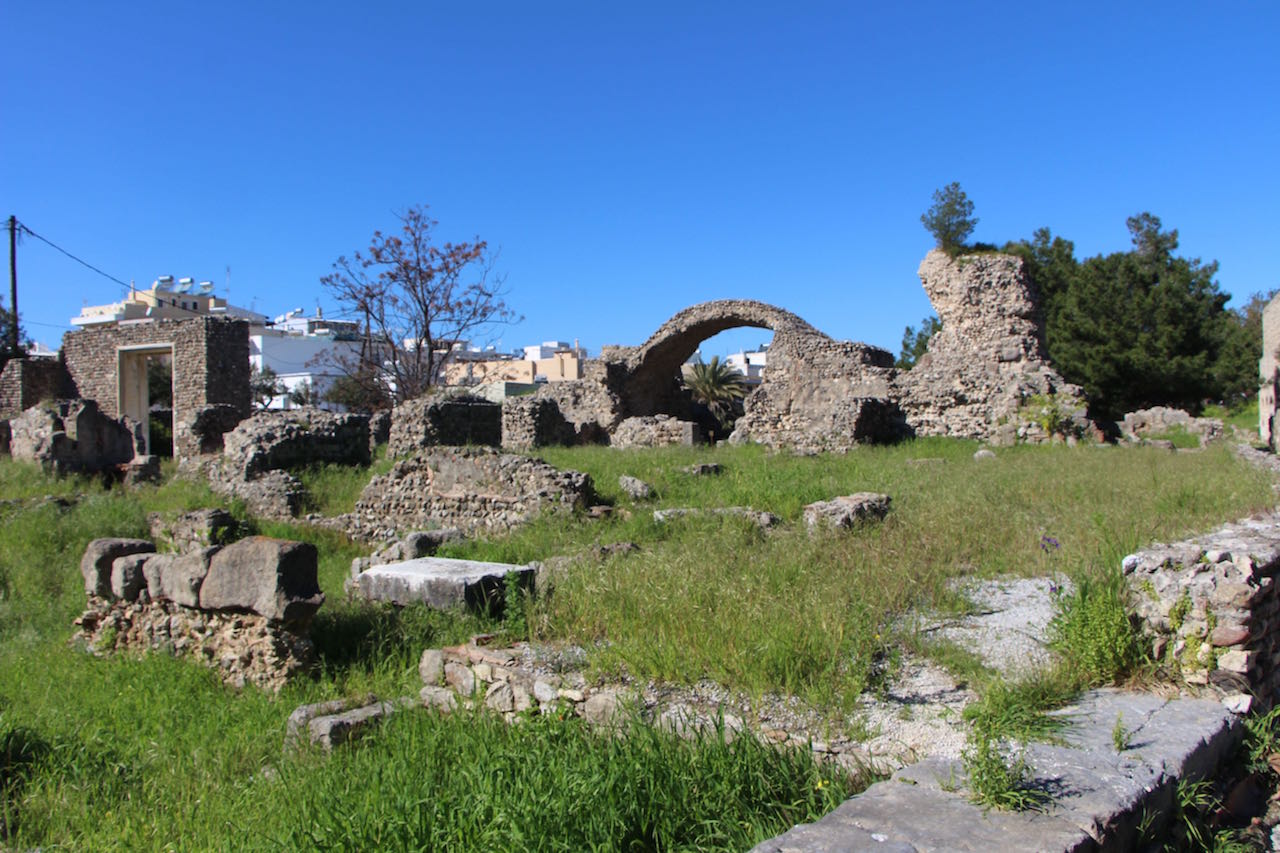
- Column Remnants: The remains of columns and architectural details provide further insight into the basilica’s original grandeur. These elements highlight the craftsmanship and materials used in its construction.
Context and Preservation
The Kamari Basilica is located at a historically significant site where the ancient settlement once thrived. The area around the basilica reveals evidence of past habitation and provides context for understanding the role of the basilica within the broader history of the region.
Efforts to preserve the site ensure that visitors can appreciate the basilica’s historical and cultural value while respecting its integrity. The ongoing preservation work aims to protect the structure from natural wear and ensure its continued availability for future generations to explore.
Visiting the Kamari Basilica
When visiting the Kamari Basilica, it is advisable to:
- Wear Comfortable Footwear: The terrain leading to the basilica can be uneven, so comfortable walking shoes are recommended.
- Bring a Camera: The site offers stunning views of Kamari Bay and interesting historical features, making it a great spot for photography.
- Respect the Site: As with any historical site, be mindful of the preservation efforts and avoid touching or disturbing the remains.
Nearby Attractions
While exploring the Kamari Basilica, consider visiting nearby attractions such as:
- Church of Saint Paraskevi: Located right next to the basilica, this church adds to the historical charm of the area and provides additional context to the region’s religious heritage.
- Kamari Bay: Take some time to enjoy the beautiful bay below. Its clear waters and scenic views make it a pleasant spot for relaxation and reflection.
Conclusion
The Kamari Basilica is more than just an archaeological site; it is a window into the early Christian period and the ancient settlement that once thrived in the area. With its captivating history, architectural features, and stunning location overlooking Kamari Bay, it offers a meaningful and enriching experience for visitors interested in exploring the historical depths of Kos.